Jealousy Test:
Feelings, Suspicion or Checking
Jealousy takes different forms: one person feels a sting when their partner flirts, another replays theories late at night, someone else goes through their partner’s phone. Built on the Multidimensional Jealousy Scale model (Pfeiffer & Wong, 1989), this test looks at each side separately and shows which of five jealousy types fits you. Feeling jealous is normal, while frequent suspicion and checking wear down trust, and your result shows where that line falls for you.
What you get
The report opens right after the test, and you can save it to your profile
- Your index and typeA 0-100 index and one of five types, from calm trust to burning jealousy.
- Three sides, one by oneFeelings, suspicion and checking: which is strongest, what it means and where to start.
- Jealousy in everyday lifeParties, social media, exes, time apart: how your jealousy shows up and what you could say to your partner.
- A week of small stepsSeven steps for your type, plus a closer look at the answers where jealousy shows most.
Five types of jealousy
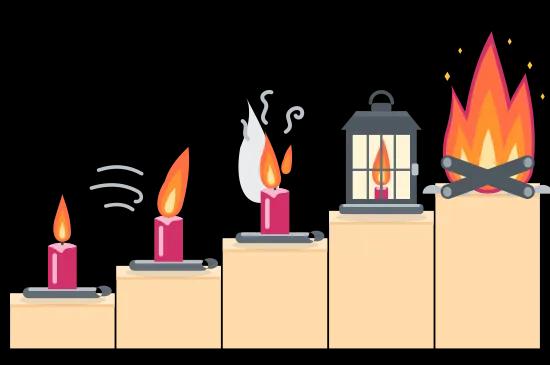
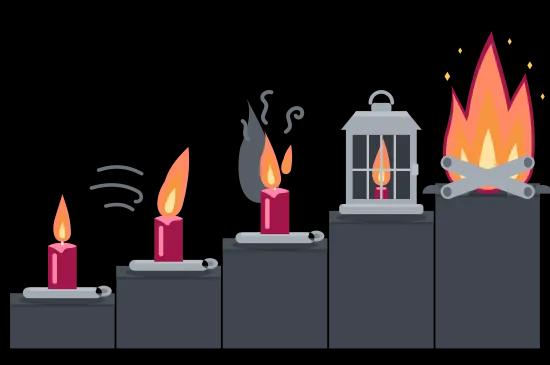
From the steady candle of calm trust to the bonfire of burning jealousy, each type has its own flame. The test shows which one burns for you and how to handle it.
Calm trust
Attention your partner gets from others barely bothers you. Little doubt, no checking.
Sensitive jealousy
Real situations sting, but without suspicion or checking up.
Anxious jealousy
Jealousy lives in your thoughts: guesses, doubts, “what if.”
Watchful jealousy
Jealousy turns into action: questions, checking, keeping close.
Burning jealousy
Frequent doubts and checking: jealousy takes up a lot of room.
Three sides of jealousy
- Feelings8 questions
How much it hurts when your partner gives attention to other people.
For example: “Your partner admires another person’s looks out loud.”
- Suspicion8 questions
How often you think your partner has, or could have, someone else.
For example: “It crosses my mind that my partner might be secretly seeing someone else.”
- Checking8 questions
How often jealousy turns into action: questioning, checking, keeping watch.
For example: “I look through my partner’s phone without asking.”
Each side is built from eight answers scored 0 to 6 and converted to a 0-100 scale. For suspicion and checking, up to 33 is low, 34-66 is medium, 67 and above is high. For feelings, the middle of the scale means “neutral”, so up to 50 is low, 51-74 is medium, 75 and above is high. The jealousy index uses all 24 answers. The cut-offs follow the meaning of the answer labels; they are not a comparison with other people.
- 0-24%Low jealousy
- 25-49%Moderate jealousy
- 50-74%Noticeable jealousy
- 75-100%Strong jealousy
How the test works
- 124 questions on feelings, thoughts and actionsFor some questions, choose how much a situation would bother you; for others, how often it happens. It usually takes about 5 minutes.
- 2As it is, not as it should beAnswer about your current relationship, or your last one if you’re single right now. There are no right answers, and the more honest you are, the more useful the result.
- 3A detailed result right awayAfter the last answer you’ll see your index, the three sides of your jealousy, your type, everyday situations and a plan for the week. Save it to your account or share it as a card.
Answer options
How much it bothers you
- 1Very pleased
- 2Pleased
- 3Slightly pleased
- 4Neutral
- 5Slightly upset
- 6Upset
- 7Very upset
How often
- 1Never
- 2Very rarely
- 3Rarely
- 4Sometimes
- 5Often
- 6Very often
- 7All the time
Want to understand your compatibility deeper?
We have 6 scientific tests you can take together with your partner. Link accounts, take tests, and get a detailed AI analysis of your compatibility!
- Compatibility analysis on 6 parameters
- Real-time results comparison
- AI analysis of your relationship
Method and sources
Where the test comes from and how the result is scored
- What it measures
- The test is built on the three-component model of jealousy by Susan Pfeiffer and Paul Wong (Multidimensional Jealousy Scale, 1989). The emotional side covers how much it hurts when your partner gives attention to others. The cognitive side covers how often suspicions come up, and the behavioral side how often jealousy turns into questioning, checking and control. Research links these sides to relationship quality in different ways, so the result shows them separately instead of as one number.
- How it is scored
- Each answer scores 0 to 6, with no reverse-scored items: the further right, the stronger the jealousy. Eight answers on one side add up to 0-48, and all 24 answers add up to 0-144. Totals are converted to a 0-100 scale and rounded. Suspicion and checking levels: 0-33, 34-66, 67-100. For feelings, “neutral” sits in the middle of the scale, so their levels are 0-50, 51-74, 75-100. Index levels: up to 24 low, 25-49 moderate, 50-74 noticeable, 75 and above strong. Your type depends on the combination: suspicion and checking both at 67 or higher means burning jealousy; both at 33 or lower means sensitive jealousy if feelings are above 50, or calm trust if they aren’t; otherwise watchful jealousy (checking at least as high as suspicion) or anxious jealousy.
- Reliability
- 24 original statements, 8 for each side of jealousy
- Seven answer options: frequency for thoughts and actions, strength of reaction for feelings
- No reverse-scored items, as in the original scale
- The original MJS showed good reliability and validity in the authors’ publication
- The Prisamor version has no reliability study or norms of its own yet
- Limitations
- The model and answer formats come from the Multidimensional Jealousy Scale (Pfeiffer & Wong, 1989), while the 24 questions were written by the Prisamor team and are not a translation of the original. This version has no norms and no reliability study of its own yet. It is a self-report for understanding yourself, not a diagnosis.
- Sources
- Pfeiffer, S. M., & Wong, P. T. P. (1989). Multidimensional jealousy. Journal of Social and Personal Relationships, 6(2), 181-196. DOI 10.1177/026540758900600203
- Barelds, D. P. H., & Barelds-Dijkstra, P. (2007). Relations between different types of jealousy and self and partner perceptions of relationship quality. Clinical Psychology & Psychotherapy, 14(3), 176-188. DOI 10.1002/cpp.532
Who it suits
- People who notice jealousy in themselves and want to understand where it comes from
- Couples who often argue about jealousy
- Anyone who feels jealousy in their relationship is crossing a line
- People who are single right now and want to understand their reactions
Practical Value
- Your jealousy index and scores on three sides, with explanations
- Your jealousy type: its strength, its risks, how your partner experiences it and where it comes from
- A closer look at your strongest answers, with concrete actions
- Four everyday situations and phrases for talking with your partner
- A week of small steps
Jealousy Test: How Jealous Am I in My Relationship?
What jealousy is and why it looks different for everyone
Jealousy shows up when a relationship feels threatened: your partner gives attention to someone else, and you feel hurt, anxious or the urge to step in. For some people it’s a brief flare, for others it’s doubt that lingers for days, for others still it’s a habit of checking. That’s why “how jealous am I?” is better split into three questions: what you feel, what you think and what you do.
Feelings, suspicion and checking
A multidimensional jealousy test keeps these sides apart. Emotional jealousy shows how much real situations sting: flirting, long text threads, meeting an ex. Cognitive jealousy is about suspicions that arrive even without a reason. Behavioral jealousy covers actions: checking a phone, asking about every step, surprise calls. The same overall score can come from very different combinations.
When jealousy is healthy and when it hurts a relationship
In research, emotional jealousy in response to a real trigger is linked more with attachment and commitment than with a bad relationship. Frequent suspicion and rumination, on the other hand, go along with lower relationship satisfaction, and monitoring and control wear down trust on both sides. Rules about who someone can see, threats and pressure are no longer jealousy but control, and they are a reason to reach out to people you trust or a professional.
How to be less jealous
You don’t need to switch jealousy off. You can learn to handle it with more care: talk about the feeling instead of accusing, separate facts from guesses, delay the urge to check, and agree on ways of staying in touch that work for both of you. After the test you get a breakdown of your jealousy type, your most telling answers and a week of small steps.
Common questions about jealousy
Is it normal to feel jealous?
Yes. Jealousy is an ordinary feeling for anyone who cares about their relationship. In research, emotional jealousy, the reaction to a real trigger, is linked more with attachment than with a bad relationship. Problems start when the feeling turns into constant suspicion and control.
How do I know if my jealousy is unhealthy?
Look less at how strong the feeling is and more at what happens next. Warning signs: suspicions with no facts behind them keep coming back, you feel the urge to check their phone and social media, you want your partner to see less of certain people. Rules about who they can see, tracking and threats are no longer jealousy but control, and that’s a reason to reach out for support.
Can I take the test if I’m not in a relationship?
Yes. Think of your last relationship or imagine yourself in one. The result then shows a tendency rather than a picture of a specific couple, and it may look different in a new relationship.
How is this different from an attachment style test?
An attachment test such as the ECR-R describes your general style of closeness: anxiety and avoidance in relationships. A jealousy test is narrower: it looks at what happens to you when your partner’s attention goes to other people. Anxious attachment and jealousy often go together, so taking both can be useful.
Is this a scientific test?
It is built on a published model, the Multidimensional Jealousy Scale (Pfeiffer & Wong, 1989), with the same three sides of jealousy and the same answer formats. The Prisamor questions are newly written, not a word-for-word translation, and our version has no reliability study or norms of its own yet. So the result describes your answers and isn’t a diagnosis.
What does the jealousy index mean?
It’s the sum of all 24 answers converted to a 0-100 scale. An index of 60 doesn’t mean you’re more jealous than 60% of people: the test has no norms. The three sides matter more. Strong feelings with little suspicion or checking say something very different from the same index driven by control.
How do I stop being jealous?
You can’t switch jealousy off completely, and you don’t need to. What helps is talking about your feeling instead of accusing, separating facts from guesses, putting off the urge to check, and agreeing on ways to stay in touch that suit you both. Your result includes a one-week plan for your type. If jealousy has troubled you for a long time, a relationship therapist can help.
Find your jealousy type
Answer about your current or most recent relationship. Right after the last question you’ll see your jealousy index, its three sides, your type out of five, and a week of small steps.
Free, no sign-up needed.