Your Kibbe type from a photograph
Explore the lines you could echo in your clothes. Upload a photo for a preliminary Kibbe analysis with reasoning and practical suggestions.
How to take the photo
The clearer the lines, the more confident the analysis. A phone photo works well if someone takes it from chest height.
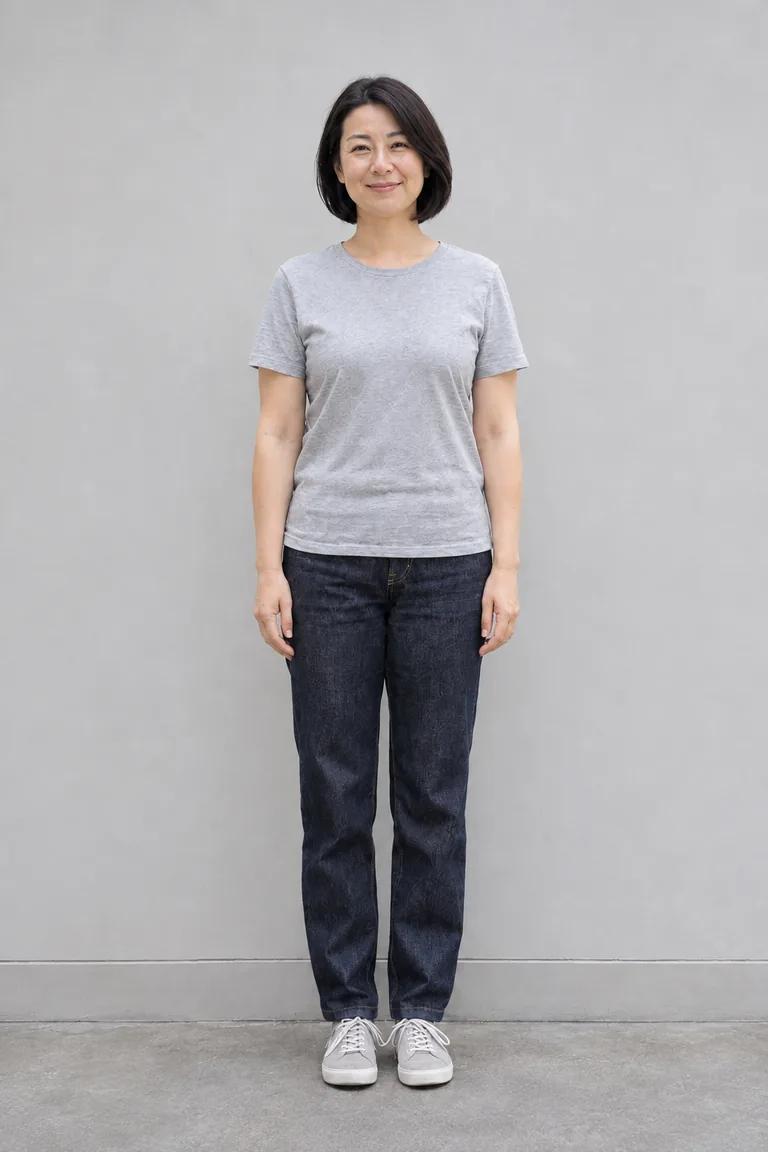
This works
- Full lengthFrom head to toe, camera at chest height
- Even lightDaylight from the front or side, no harsh shadows
- One personFacing the camera, arms relaxed by your sides
- Fitted clothesA simple T-shirt and trousers show lines better than a coat
 Close-up selfie
The face is visible, but not the body lines or how clothes sit.
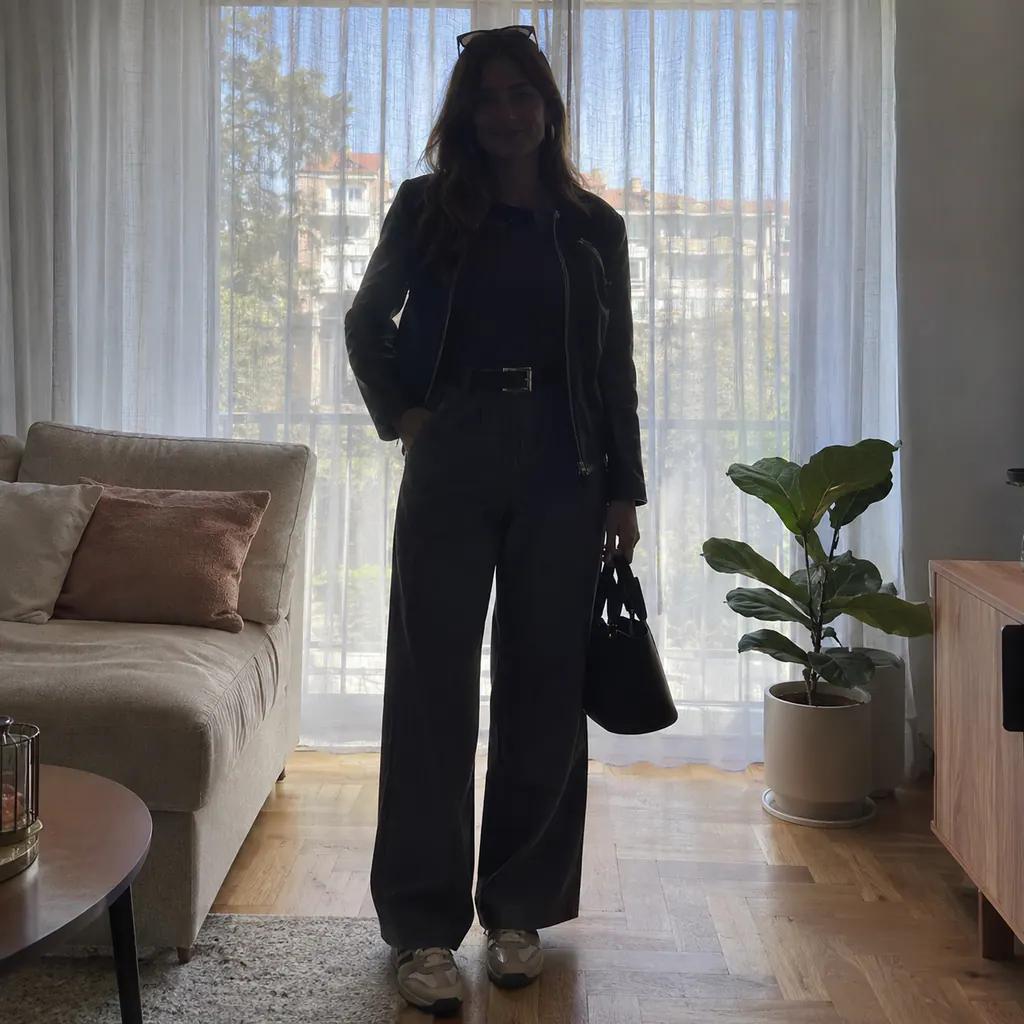 Against the light
The figure falls into shadow and the outline merges with the background.
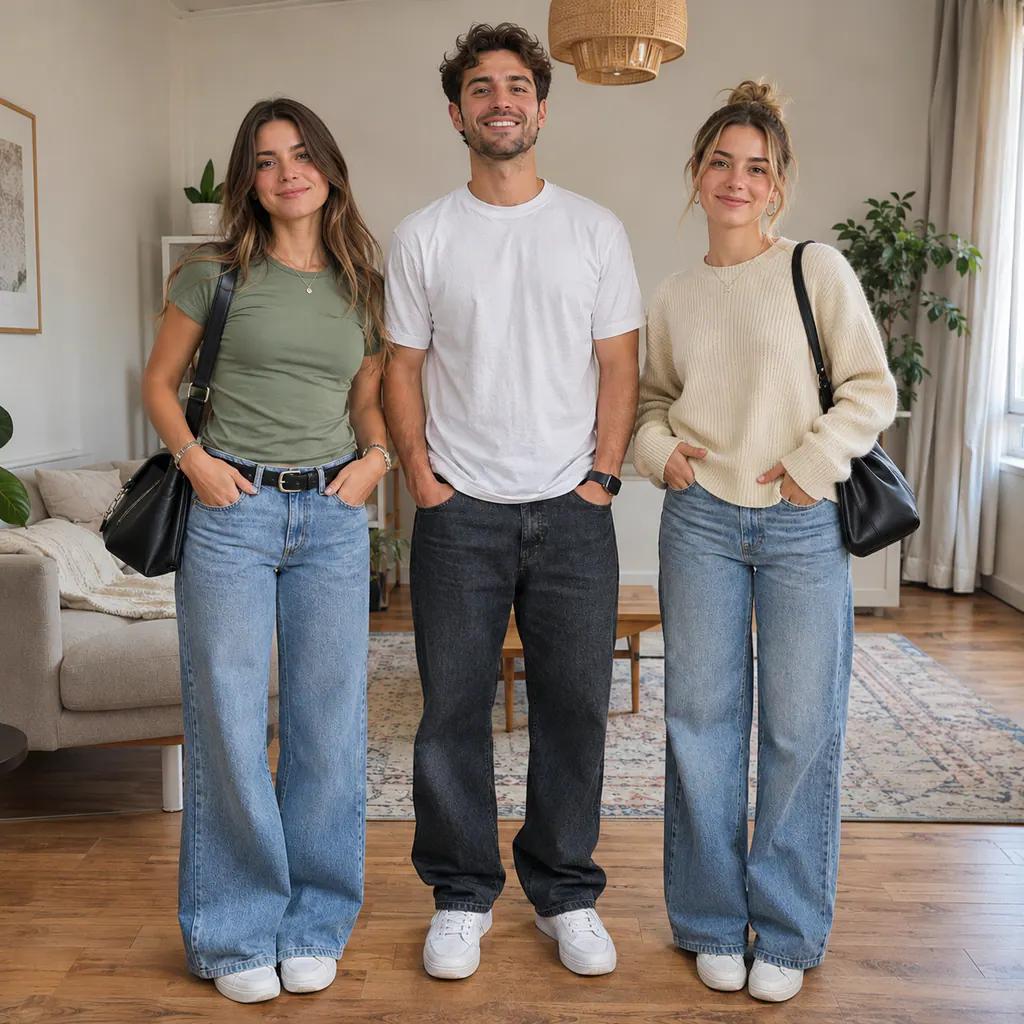 Several people
The analysis cannot tell whose lines to read.
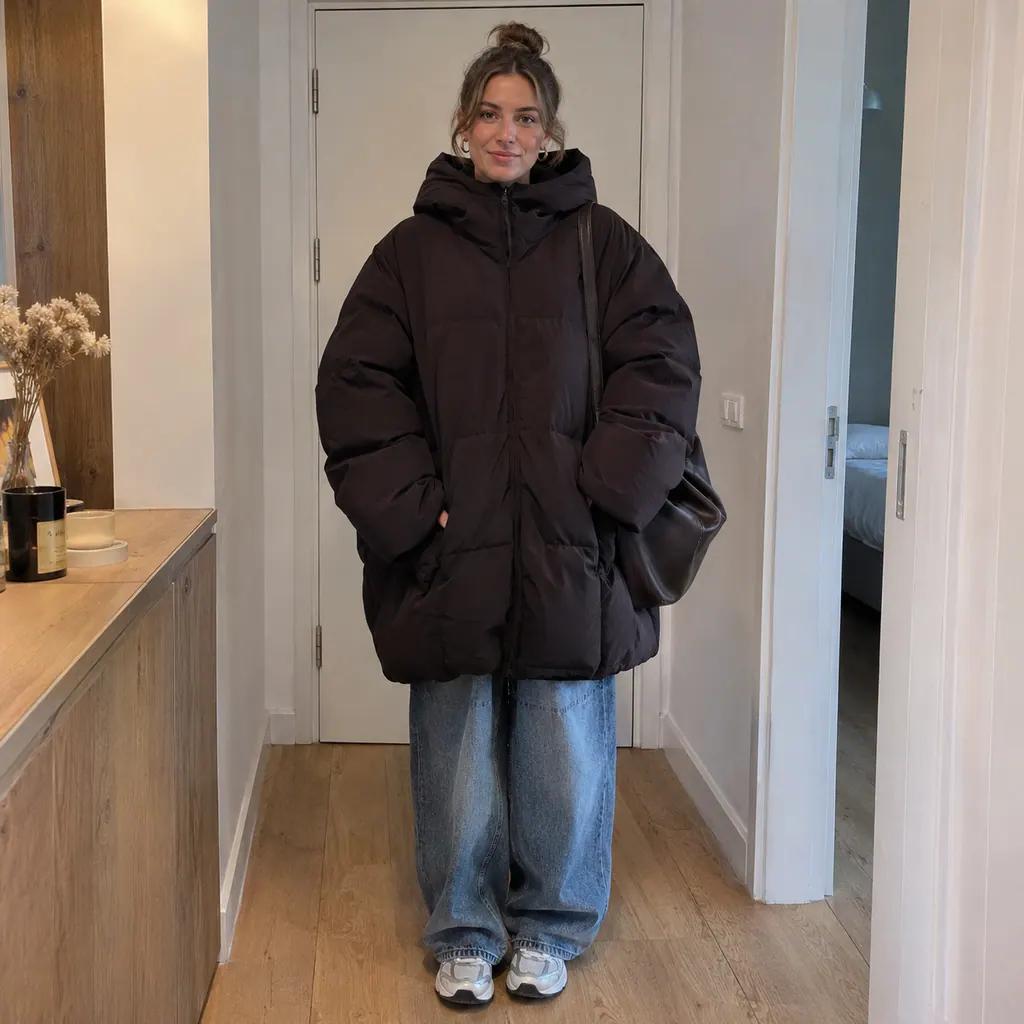 Bulky clothes
Coats and hoodies hide the shoulders, waist and length of the silhouette.
You can still upload a portrait or selfie: the analysis will rely on the face and shoulders and be more cautious about body lines.
What you get
A dossier on your photo: what it shows, which type it is closest to and what to try on. Free, no sign-up needed.
- Provisional typeA type and its family, with an explanation of what the photo shows1of 13
- Yin and yang balanceWhere your lines sit between soft and angular0-100scale
- Neighbouring typesHow closely the photo matches each type13types
- Character of linesFour traits on the figure and five proportions4lines
- Style ideasSilhouettes, fabrics, prints and finishing details10ideas
- Outfit formulasReady combinations of pieces to try on3formulas
- What to look for in your wardrobeA list of pieces: tick off what you already own12pieces
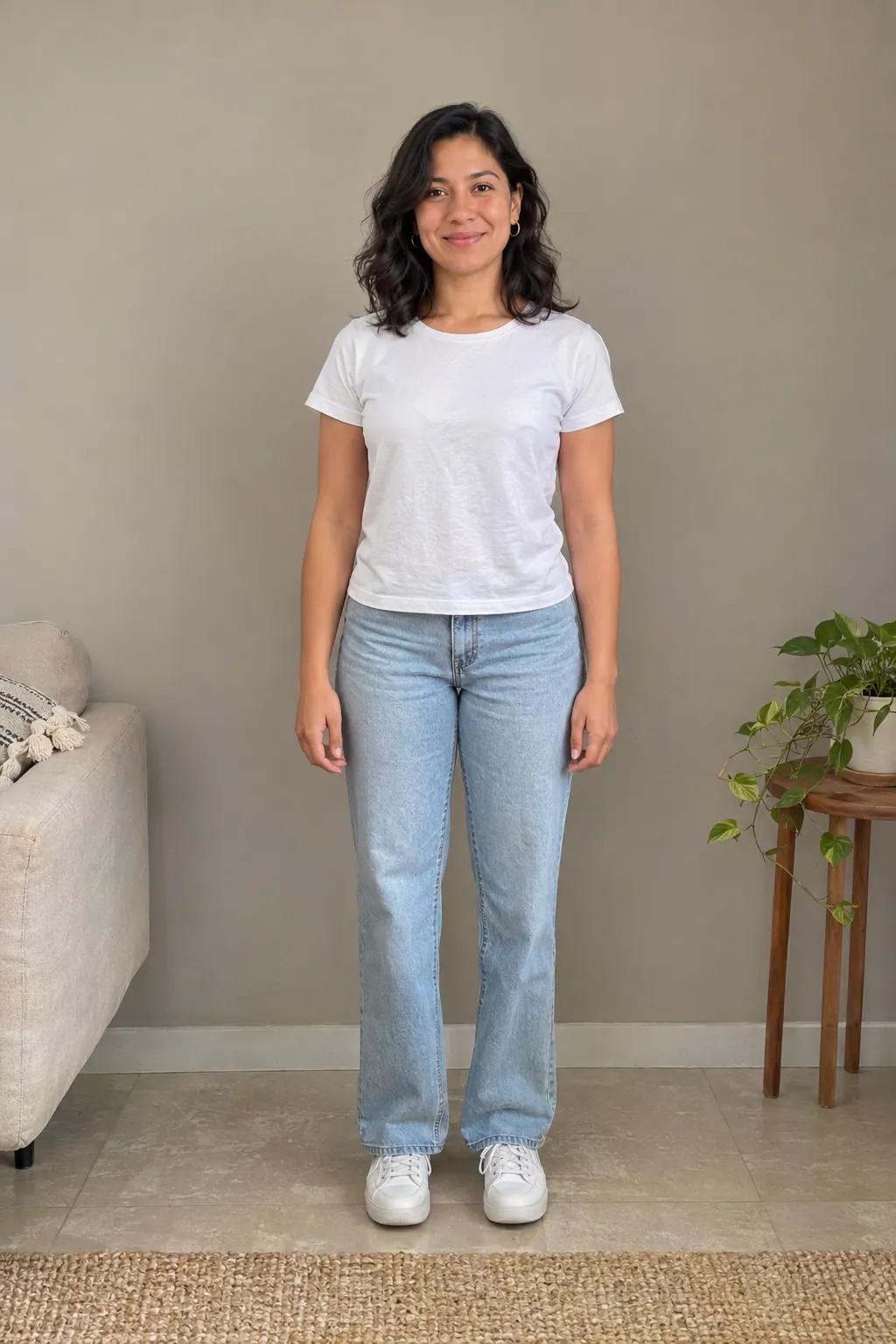
Soft Natural in the Natural family
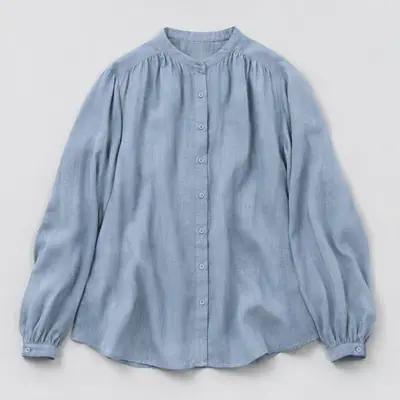 blouse
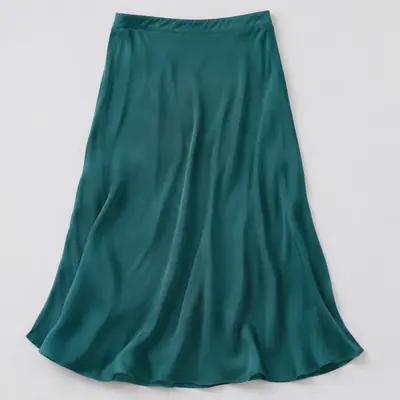 skirt
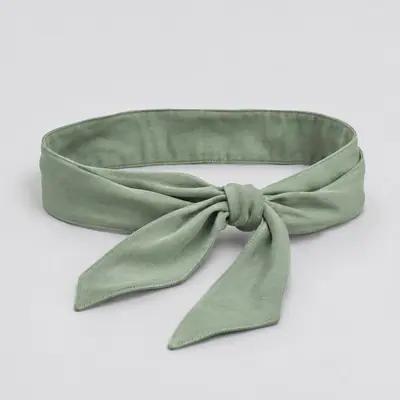 belt
What is a style type
A way to describe the overall pattern of lines in your appearance and choose clothes that echo it.
13 variations across five families
The tool draws on David Kibbe’s historical classification and relates visible lines to clothing lines. It offers an independent interpretation, not an official consultation with the author.
A photo offers a starting point
Camera angle, pose, lighting and clothing fit affect the interpretation. The analysis does not measure your body, rate beauty or describe personality.
Principles matter more than a label
Look at the reasoning, neighbouring types and ideas to try on. A type name does not turn your wardrobe into a list of allowed and forbidden items.
- Dramaticlong and sharp
- Classicbalanced and composed
- Romanticflowing and rounded
- Naturalrelaxed and open
- Gaminecompact and contrasting
Families differ in the character of their lines. Each holds two or three variants, thirteen in total.
13 types and their lines
Compare silhouette length, outline and the rhythm of details. Tap a dot on the scale or a card to find a type.
Dramatic, 90% Yang, in the Dramatic familySoft Dramatic, 75% Yang, in the Dramatic familyClassic, 50% Yang, in the Classic familySoft Classic, 45% Yang, in the Classic familyDramatic Classic, 55% Yang, in the Classic familyRomantic, 10% Yang, in the Romantic familyTheatrical Romantic, 25% Yang, in the Romantic familyNatural, 60% Yang, in the Natural familySoft Natural, 55% Yang, in the Natural familyFlamboyant Natural, 70% Yang, in the Natural familyGamine, 60% Yang, in the Gamine familySoft Gamine, 35% Yang, in the Gamine familyFlamboyant Gamine, 65% Yang, in the Gamine family
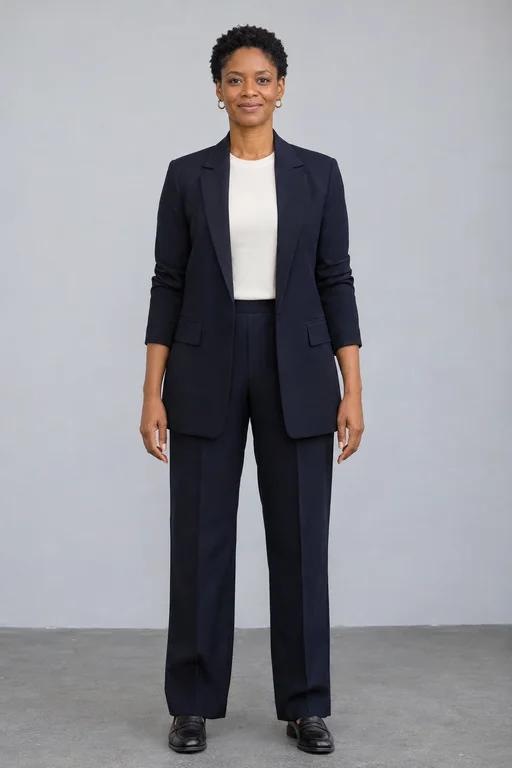
Dramatic
An elongated silhouette, a clear outline and large-scale geometry.
Dramatic
Try an elongated, clearly defined silhouette.
What to wearLong jacket, plain top and straight trousers
Yin90% YangYang
Soft Dramatic
Combine an elongated line with softness and movement.
What to wearDraped blouse, long trousers and bold earrings
Yin75% YangYang
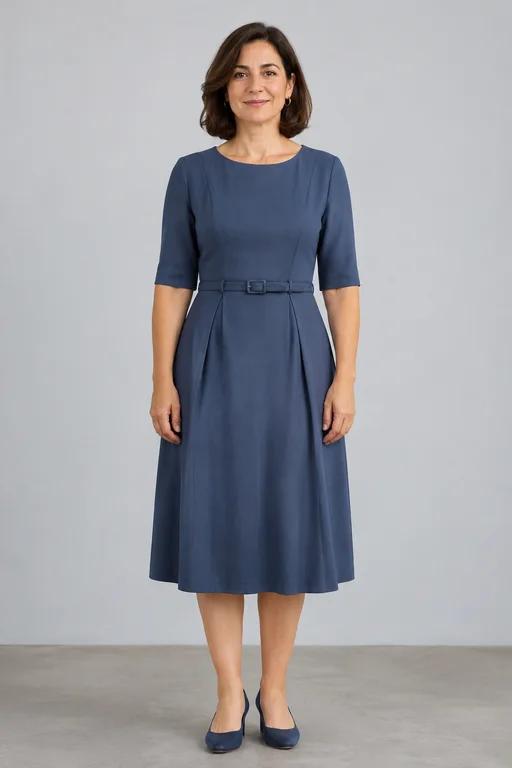
Classic
Moderate proportions, balanced transitions and a neat fit.
Classic
Compare how an outfit balances length, volume and detail.
What to wearShirt, straight trousers and a medium-length jacket
Yin50% YangYang
Soft Classic
Test a proportionate outline with gentle softness in a neckline, fine fold or flexible knit.
What to wearSmooth blouse, gently straight skirt and compact jacket
Yin45% YangYang
Dramatic Classic
Add a little definition to a proportionate base: a straighter jacket, precise collar or firm-edged bag.
What to wearDefined jacket, smooth top and straight trousers
Yin55% YangYang
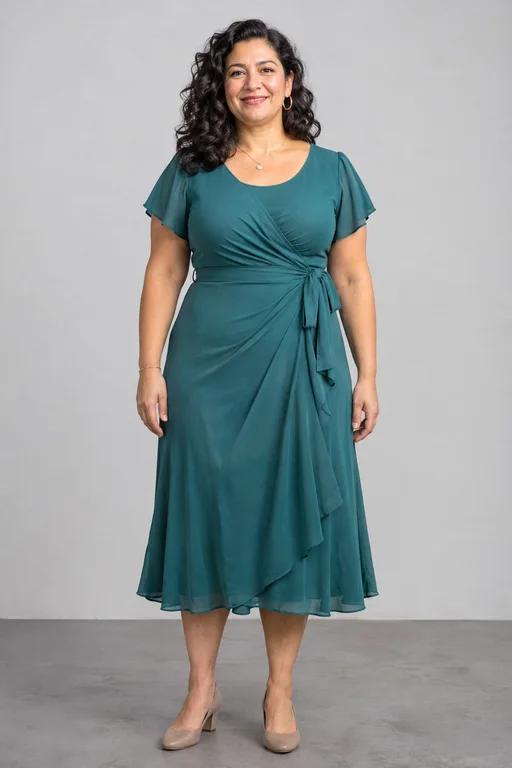
Romantic
Flowing curves, a soft fit and rounded details.
Romantic
Explore rounded, continuous lines through a flexible fit, curved neckline and gently indicated waist.
What to wearSoft top, fluid skirt and a small accessory
Yin10% YangYang
Theatrical Romantic
Pair a soft, fairly compact outline with a precise accent.
What to wearSoft blouse, waisted skirt and precise jewellery
Yin25% YangYang
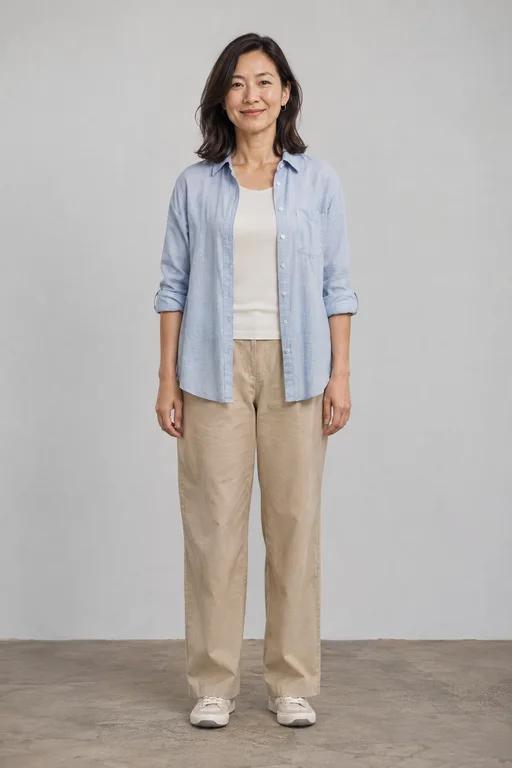
Natural
An easy fit, open lines and visible texture.
Natural
Explore a relaxed outline with an open collar and organic texture.
What to wearSoft shirt, straight jeans and a textured bag
Yin60% YangYang
Soft Natural
Combine an open, relaxed outline with gentle fabric movement.
What to wearSoft blouse, fluid skirt and a simple belt
Yin55% YangYang
Flamboyant Natural
Combine length with open space through a long upper layer, wide trousers or expressive texture.
What to wearLong relaxed jacket, plain top and wide trousers
Yin70% YangYang
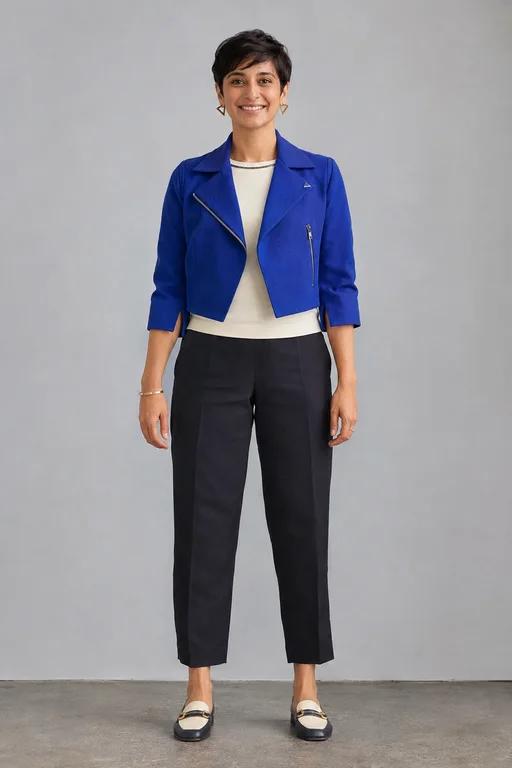
Gamine
A compact rhythm, changing lengths and small contrasting details.
Gamine
Explore compact scale and visible rhythm between garments.
What to wearCompact jacket, contrasting top and straight trousers
Yin60% YangYang
Soft Gamine
Compare a compact, soft outline with small defined accents: a curved neckline beside a clear cuff, or a flexible skirt below a short jacket.
What to wearSoft top, compact jacket and waisted skirt
Yin35% YangYang
Flamboyant Gamine
Pair compact shapes with straighter or elongated elements.
What to wearShort straight jacket, smooth top and long trousers
Yin65% YangYang
Generated examples illustrate style directions. One photograph cannot confirm a type.
How to test it in the fitting room
The analysis suggests a direction. The mirror and how the clothes feel make the call.
Change one detail at a time
Compare a straight jacket and a softly draped one with the same base outfit. Look at length, shoulders and the overall outline.
Check comfort in motion
Sit down, raise your arms and walk around. Fabric should not pull or restrict movement just to create a suggested silhouette.
Keep your own taste
If a suggestion feels wrong, try a neighbouring direction or another photo. Size, weight, age and preferences should not become prohibitions.
Return to your analysis
After the analysis you can save the result to your account yourself. If you are not signed in, the save button takes you through sign-in and back to the result. Without your button the analysis is saved in one case only: after you pay for the looks, it is saved to your account together with the order.
Questions about Kibbe types and photos
Can one photo identify my exact Kibbe type?
One frame is not enough for a definitive conclusion. It captures only part of your appearance, cannot show movement and may distort scale. The model offers a preliminary interpretation; test it by observing how different clothing lines look and feel on you.
Can I use a selfie or a portrait?
You can choose one, but it offers less information about the vertical line and the overall fit of clothing. A clear full-length photo is preferable for exploring style lines. If the face is far away or details cannot be seen, some observations may remain uncertain.
How is a Kibbe type different from a body shape?
Popular labels such as pear or rectangle usually compare particular body measurements. A style type looks at the overall pattern of lines and how clothing can relate to it. These are different ways of discussing a wardrobe, rather than interchangeable measurements.
Why are there 13 variations when other lists show 10?
This tool uses a historical classification of 13 variations, including separate Classic, Natural and Gamine options. Other descriptions may use shorter lists or later interpretations of the approach. We retain these 13 variations without presenting them as the only modern system or an official consultation with the author.
Do I have to dress only for my type?
No. The list gives you ideas to experiment with. A favourite garment can work because of its styling, fit or mood even when it is not listed. A type does not overrule your taste, dress code or comfort.
What if a different photograph produces a different result?
Compare the pose, distance from the camera, lighting and clothing. Then read the reasoning and look for observations that appear in both results. Repeatedly uploading photos to obtain a preferred label is less useful than testing specific silhouettes.
Can I use the suggestions for a masculine wardrobe?
You can test observations about lines in different wardrobes. Historical type names do not define gender, personality or what someone is allowed to wear.
More photo analyses
LiveColor analysis from a photoUndertone, contrast and one of 12 seasons. A palette for clothes and makeup, plus your metal and hair color.LiveFace ageHow old you look in a selfie, the likely range and a map of eight face zones.Coming soon
- Eye color
- Face shape
- Hair color
- Body type
- Makeup from a photo
- Beauty analysis
- Style capsule